In 2021 and beyond, technology can help improve efficiency and productivity in the workplace—especially for HR professionals. And with many organizations adopting remote work as a result of the COVID-19 pandemic, there is increasing pressure for organizations and employees to adopt technology to collaborate, communicate and work from a distance. HR technology can automate a…
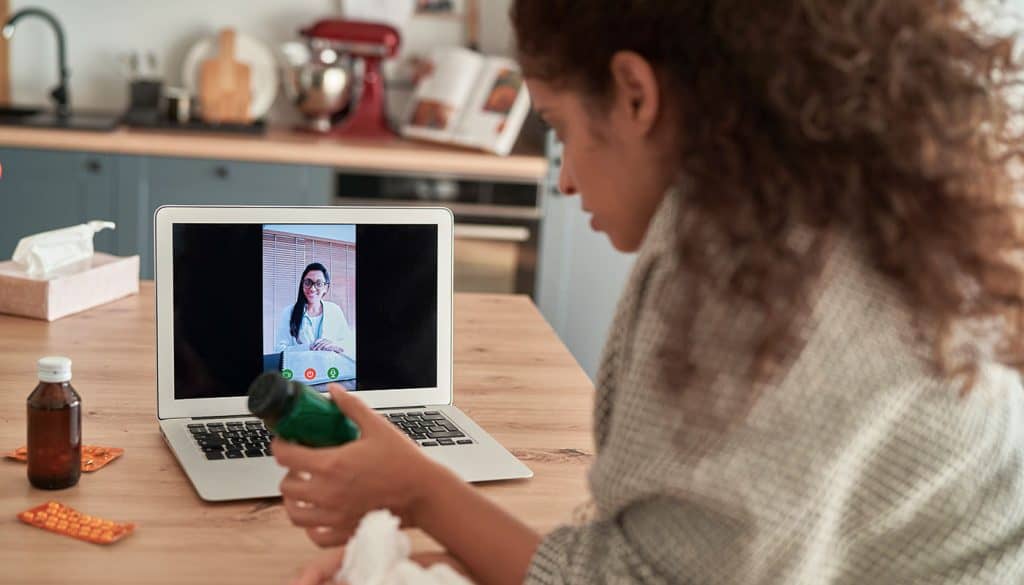
As COVID-19 cases continue to surge across the country amid flu season, telehealth services offer access to quick, convenient and affordable care. In 2020, there was a significant increase nationally in telehealth utilization. Now, many providers and hospitals are encouraging patients to utilize telehealth services instead of coming to the office or hospital for non-life-threatening…
Each presidential transition brings changes to the HR landscape. When President Donald Trump took office in 2016, he overturned or revised many of his predecessor’s federal regulations, a common trend between administrations of opposing parties. It is also something likely to continue under President-elect Joe Biden. With any legislative change—regardless of intent or outcome—employers must…
At the end of the calendar year, workplace holiday celebrations are an experience that many employees look forward to as a highlight of the season. These celebrations are often a long-standing tradition allowing employees to celebrate with their colleagues—and sometimes family and guests. However, in response to the COVID-19 pandemic, many organizations are evaluating how…
Karen Shannon, VP of Business Consulting/CHRO for Ollis/Akers/ Arney has been in the banking and human resources game for over 30 years. She and her team work with worldwide clients on key business and HR strategies which have resulted in cost savings upward of $7 million. A key component of Ollis/Akers/ Arney’s business consulting division…
In the world of workers’ compensation, it can be a challenge for employers to find a way to ensure high-quality, yet affordable care for an employee following a work-related injury. That’s where telemedicine can help. Telemedicine allows employees to receive medical services virtually after they’ve been injured on the job. Such an option can give…
In response to the COVID-19 pandemic, day cares and schools shut their doors. Months later, child care centers remain closed in many parts of the country, which means that parents are tasked with juggling caregiving and work responsibilities. In fact, according to a survey from Boston Consulting Group (BCG), 60% of U.S. parents report that…
In uncertain times, the capability of a bank to successfully navigate uncharted waters depends greatly on the abilities of their leaders and managers. This is particularly true of small organizations. One of the top reasons new managers fail is the lack of preparation for their roles. According to research by Corporate Executive Board, only 10%…
Social injustices, civil rights and discrimination issues affect all employers and employees across the country. Numerous recent events have led to unrest, which has permeated all areas of society, including the workplace. During these times, employees may be experiencing poor mental health and low engagement. To support employees as effectively as possible, promote employee safety…
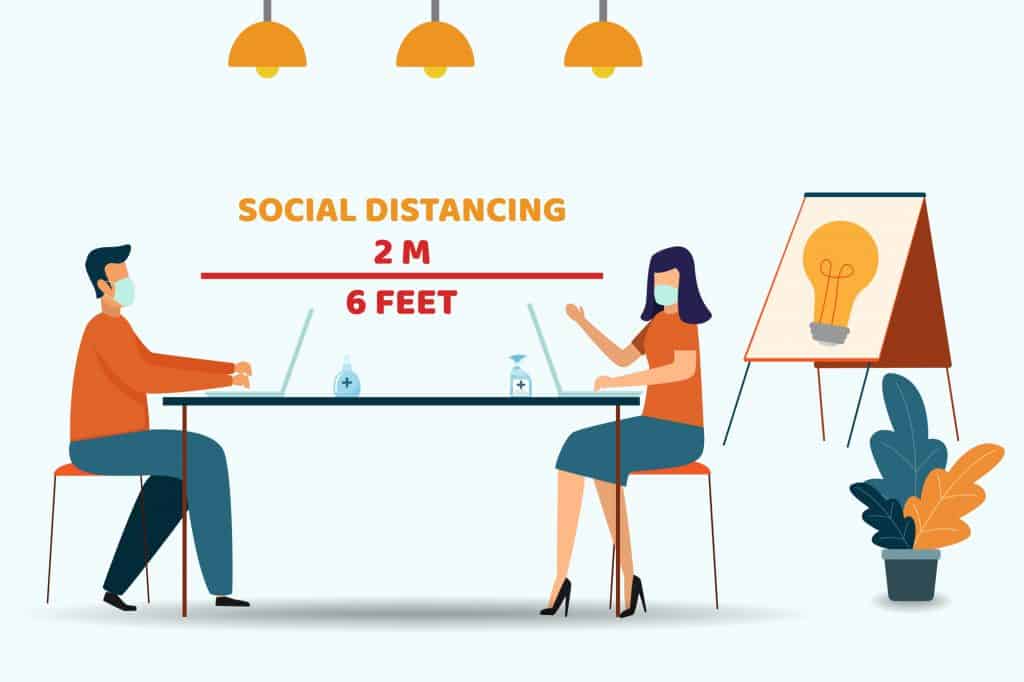
Human working at the office and Social distancing how to protect yourself from covid-19. how to self isolation to limit spread of the coronavirus. healthcare and medical about infection prevention.
As the coronavirus pandemic continues to evolve, one guideline that is likely to last beyond this year is social distancing. Employers have a responsibility to keep employees healthy and safe, and that duty is informing their return-to-work strategies. For instance, some organizations are keeping employees at home to work remotely for the foreseeable future. Other…